Heat causes wildlife distress - put water out
These ongoing high temperatures here in Northern Victoria can be very difficult for our wild creatures, although when temperatures build up slowly they seem to cope a lot better.
It’s the sudden temperature fluctuations which can cause even more havoc. Some people say they think the roos are emaciated. This could be for a number of reasons. They could have injuries preventing them from foraging and could be in excruciating pain. Losing parents when they are still feeding is a reality also.
My sons and I have caught roos and sadly we had to euthanise them. Not one of our favourite jobs, but a necessary one in our wildlife work. Sometimes, it’s the last act of kindness we can provide for a suffering animal.
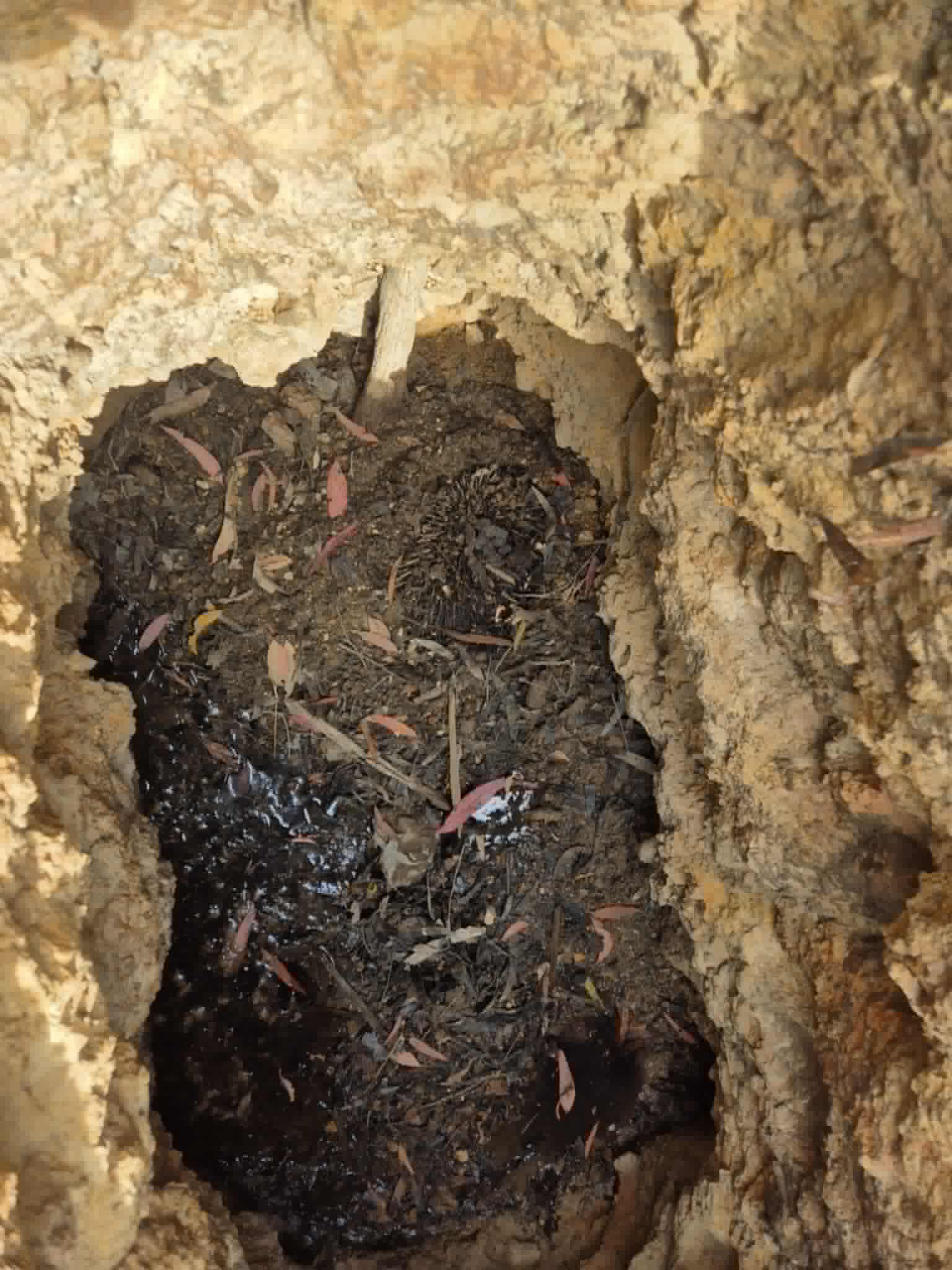
We also rescued an echidna from the bottom of an old mine shaft in the Whroo Forest last year. Thankfully, the shaft was not very deep and was quite narrow so I was able to climb down, retrieve the echidna and manage to climb back out wedging my feet against the walls.
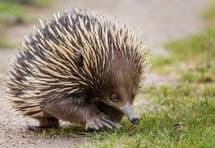
I intended to release the poor echidna immediately but after a quick, on-the-field health inspection, it was obvious that she had been there for quite awhile. She had lost a fair bit of weight and, because the bottom of the shaft was full of pungent, stagnant water and mud, the bottoms of her feet were white and wrinkly as if she’d been in a bath too long.
The decision was made to bring her home to the shelter for a week of good food and rest before going back out. The water probably saved her life in this heat.
Echidnas do not like extreme heat nor extreme cold. Lucky someone noticed her as she was off the track and would have perished down there without help.
The same day on the way to drop off the echidna there was a call for a little Corella hanging up in a tree by his wing over the creek in Numurkah. I was getting a pole out to bring him down when he suddenly managed to snap the line himself and hit the water which hastened the urgency to get a net on the end of a pole and reach him from the shore before he got further out. We got him just in time before he was out of reach, though a swim in the creek would not have been unpleasant in the stifling heat.
On the way out another Corella dropped from a tree, an emaciated juvenile bird. We stopped, managed to net him on the fly and added him to the patient list.
Home again, only to be called to an injured Wedge-tailed Eagle over the other side of Rochester.
Time had to be spent spraying down enclosures and birds at the shelter before I could hit the road again so it was just on dark when I arrived at the location. We searched for a couple of hours, but could not locate the bird. Apparently he’s been down for at least two weeks! Got home close to midnight, after another long day. Rescues are always stacked up.
A juvenile White-faced Heron had been picked up in Shepparton and a duckling family in the centre of GV Health needs catching up and relocating.
Mother Pacific Black Duck nests every year in the staff area of the hospital which is open roofed but enclosed in the centre of the hospital. If they don’t call me to catch the mother and babes, sadly the ducklings begin to perish, likely through lack of food although the landscaped pond in there would be a great, safe place otherwise.
Unfortunately, if no one calls their ducklings are massively reduced.
It is a very hard time for the creatures so if you can leave water out with a stick in it for the little critters, please do. This would be of great help for some.